How Architects Use 360 Virtual Tours to Present Designs
Introduction
In architecture, communicating design intent clearly is just as important as creating it. Traditional methods like drawings, renders, and static images often fail to convey the full spatial experience of a project.
This is where 360° virtual tours are transforming how architects present designs, turning concepts into immersive, interactive experiences that clients can explore from anywhere.
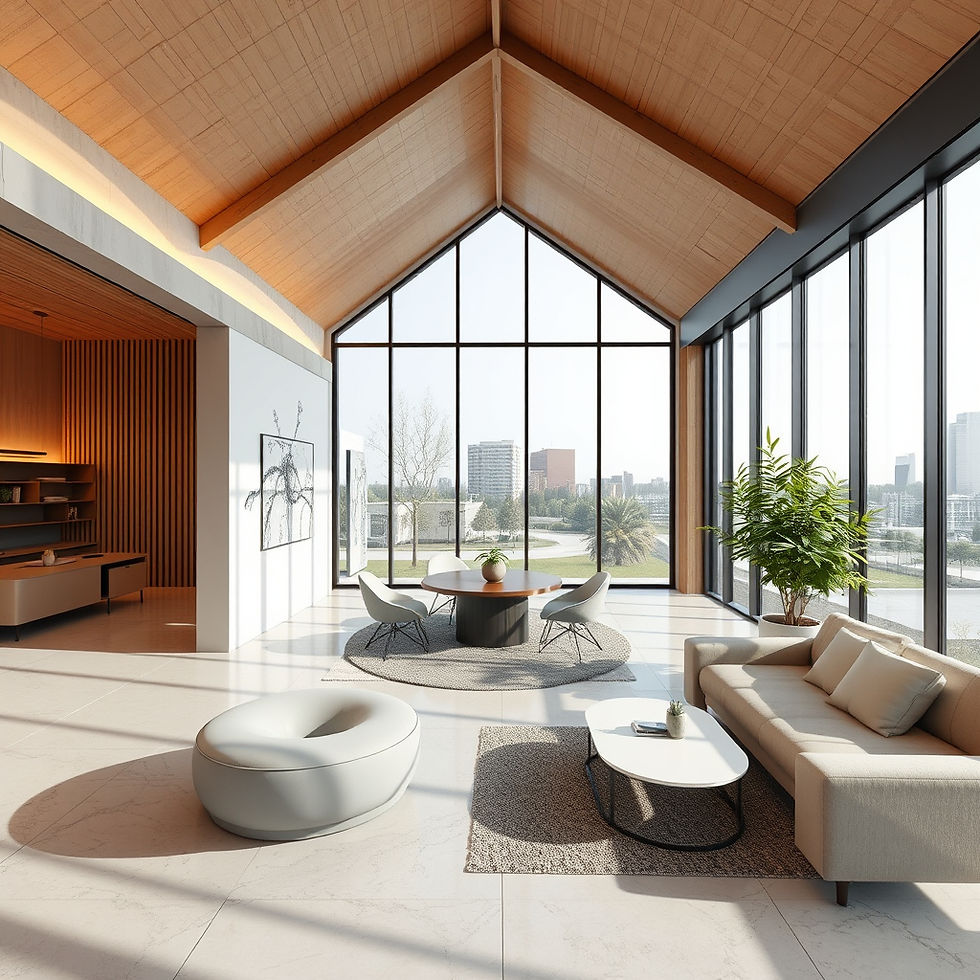
Why Traditional Design Presentation Falls Short
Architects typically rely on:
2D drawings
3D renders
Physical site visits
While useful, these methods:
Lack spatial immersion
Require interpretation from clients
Can lead to misunderstandings
Clients often struggle to “visualize” the final outcome.
What Are 360 Virtual Tours in Architecture?
360 virtual tours are interactive walkthroughs created using panoramic images or renders, allowing users to navigate through a space as if they were physically present.
Unlike static visuals, they provide:
Real spatial context
Interactive navigation
A realistic sense of scale and layout
How Architects Use 360 Virtual Tours
1. Presenting Design Concepts Clearly
Instead of explaining plans, architects can let clients experience the design.
Clients can:
walk through rooms
understand flow and layout
explore perspectives
Improving Client Communication
Virtual tours reduce back-and-forth by making designs easier to understand.
Result:
fewer revisions
faster approvals
Remote Design Presentations
Architects can present projects to clients anywhere in the world without physical meetings.
Especially useful for:
international clients
large projects
Showcasing Portfolio Projects
Architects can present completed or conceptual projects in an engaging format.
Better than:
PDFs
static images
Collaborating with Stakeholders
Engineers, contractors, and clients can all explore the same virtual environment.
Improves:
alignment
decision-making
Benefits of Virtual Tours for Architects
✅ Better Visualization
Clients see the space instead of imagining it.
✅ Faster Decision-Making
Clear understanding leads to quicker approvals.
✅ Reduced Miscommunication
Less ambiguity in design interpretation.
✅ Stronger Client Confidence
Clients feel more confident in their decisions.
✅ Competitive Advantage
Stand out by offering immersive presentations.
How to Create a 360 Virtual Tour for Architecture Projects
Capture or render 360° images
Upload to a virtual tour platform
Connect scenes to create walkthrough
Add navigation and hotspots
Share with clients
Tools Architects Use for Virtual Tours
Architects use professional 360 virtual tour software to:
create walkthroughs
host projects
share with clients
Platforms like RevsSpace make it easy to build and manage immersive experiences without complex workflows.
How Virtual Tours Improve Client Experience
Virtual tours help architects:
present ideas clearly
reduce confusion
build trust with clients
Clients can explore at their own pace, revisit designs, and make informed decisions.
The Future of Architectural Presentation
As digital tools evolve, immersive experiences are becoming the standard.
360 virtual tours are no longer optional — they are quickly becoming a core part of modern architectural workflows.
Conclusion
360 virtual tours are changing how architects present, communicate, and collaborate.
They bridge the gap between design and understanding — helping clients truly experience spaces before they are built.
Start Creating Your Own Virtual Tours
If you're an architect looking to improve how you present designs, using a platform like RevsSpace can help you create, share, and manage immersive walkthroughs with ease.
